A “Full List of Services” for Mental Health and Addictions in Ontario
It is #BellLetsTalk day, which is the one day of the year that many policymakers and other powerful Canadians feign concern for people with mental illnesses and substance abuse disorders. Ironically, Premier Doug Ford’s post is pretty much in line with Ontario’s health policy of “Here is a list. Figure it out yourself.”
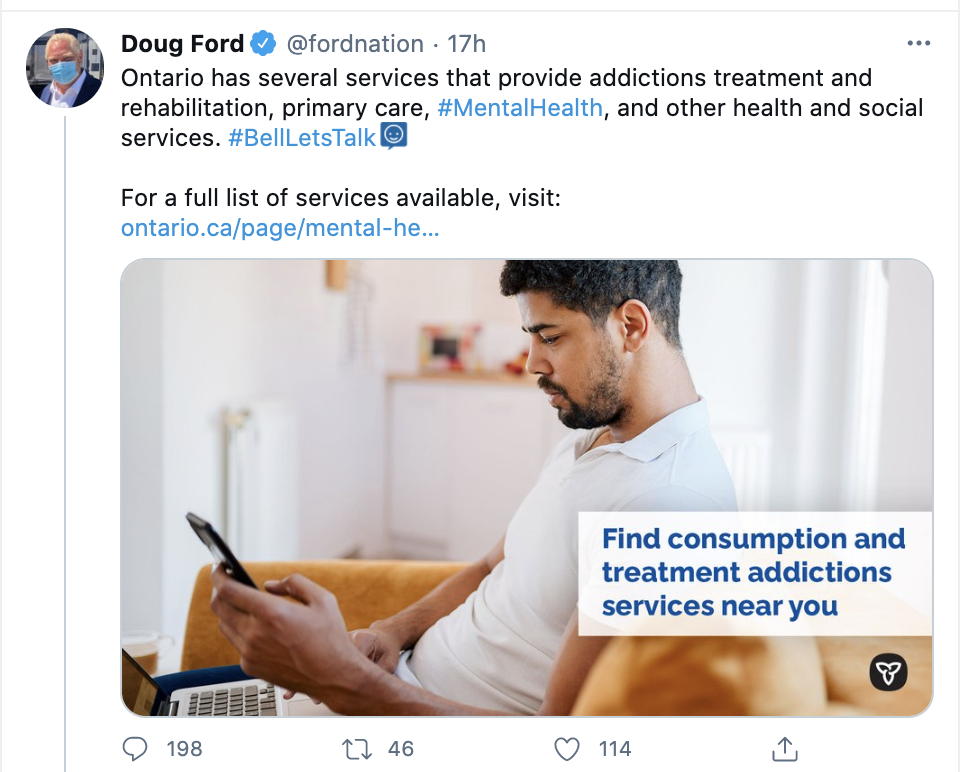
Casey’s “Full List of Services”
My late brother Casey, like many others, was given such a list. He had lots of lists on his phone and printed on paper. The lists grew longer as he was unable to access timely, patient-focused treatment. Unlike Doug’s late brother Rob*, Casey and my family couldn’t afford to drop like 30k/month or whatever it costs to stay at a Muskoka spa rehab. I once witnessed Casey call Central Intake (the detox/withdrawal management hotline) every hour on the hour when he wanted to check into detox as a first step to restarting his recovery. You can’t just show up at detox: you have to call to see if there’s a bed available at one of the locations in Toronto and there’s no waitlist.
AirBNBs vs. Hospital Beds
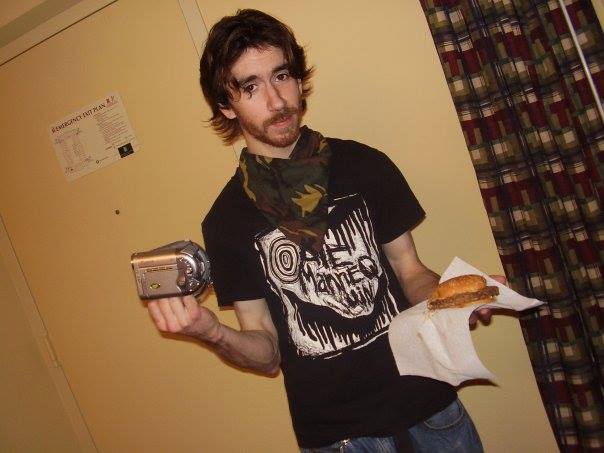
Towards the end of Casey’s life, my mom burned through so much money she didn’t have, trying to keep Casey alive and off the streets when he was banned from her building and incapable of caring for himself. So she sent him to a private “sober living house,” which is kind of like an AirBNB for people in recovery that comes with a gym membership and you and your housemates get chauffeured to AA meetings. The gangbanger who ran the “business” died of an OD like a week before Casey did, actually.
It’s not my business to talk about my mom, but she’s a self-employed artist who was widowed when my self-employed artist father died in 2003 at the age of 47. So while she was able to keep Casey off the streets, if he’d lived for much longer, I don’t know how my mom would have kept her co-op apartment.
The Futility of the “List”
How did Casey end up with nowhere to go? You’d think a “full list of services” would mean a person with a severe, life-threatening, chronic illness in the country’s biggest city would be able to access treatment on that list after 4.5 years of multiple attempts, right? Not to mention, Casey was a young, white man who was extremely articulate and charming (when not in crisis). He was self-aware and knew what his illness was and knew every item on that “full list of services.”
In early 2017, we had to call the Mobile Crisis Intervention Team in Toronto for the first time. Actually, a good friend did on our behalf. This is a police service that sends a social worker and an ambulance along with the cops. This was the first of dozens—maybe 100 times—that Casey was apprehended under the Mental Health Act (aka “Formed”) before he died on November 20th, 2019. Sometimes the police would handcuff Casey and sometimes they wouldn’t if he agreed to come along. Usually, they’d discharge him after a few hours or the next morning. Sometimes they’d send him to my mom’s place even after he had assaulted someone there with a weapon or threatened them.
You Can Stay in the ICU, but You Can’t Get Help
On a few occasions, Casey got admitted to the ICU after being Formed because his vital signs were so poor as a result of his severe substance abuse disorder. Like, wearing a diaper and on life support sick. When that happened, he’d stay in the hospital for up to a week because of his physical health. He’d ask about getting transferred to a psych inpatient place but get told there were no beds and couldn’t stay in the regular hospital ward during the interim once his physical health improved. So, here’s another “full list of services,” Casey. Good luck and give some places a call!
Too Sick to Live, but Not Sick Enough for the Hospital
When Casey tried to voluntarily check himself into the psych ward, he’d either be accepted pretty much as triage laid eyes upon him or get shooed away for not being a great enough danger to himself. How is someone who is regularly Formed with life-threatening vital signs from substance abuse not a danger to himself? Ontario Psych wards are only meant to stabilize people, so they don’t like to keep people there longer than a week. One of the psychiatric hospitals I tried to get Casey into accepted psych ward referrals… But only if they’d been in the psych ward for “2 or more weeks with no sign of improvement.” I’d tell Casey, “try to make it to push your stay to 2 weeks so I can help get you into Ontario Shores.” But that’s like telling a person who is in a coma to not wake up when they already have.
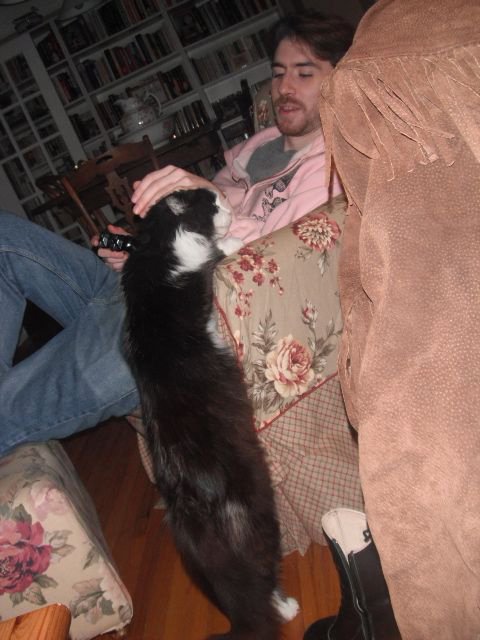
These are just some examples that only illustrate a small, awful, part of a huge, awful story. It was a painful life for Casey. Those final 5 years of Casey’s life were also extremely painful for my mom and my twin brother and our closest people. It took over our lives. Every day was a different private struggle that included at least one of violence, verbal abuse, bodily fluids, police, ICUs, legal warnings, social isolation, professional consequences, financial hardships, and grief. People suggesting that you’re overreacting because “everyone’s family has drama” and exaggerating when you say you expect your brother to die sooner or later. Every single day.
Worst of all, this ordeal made us lose and forget that the real Casey was a loving brother, son, and friend. He was fiercely protective of us and would have been aghast to know what he had done. He was my best friend in the entire world and I did everything I could to help him find a path to recovery in the absence of health care in Ontario.
But There’s Obviously Some Hope, Right?
There are some “several services” available, as Premier Ford said, and some people can access them. But so many people like Casey can’t and couldn’t. Eventually, they die, and sometimes the media takes notice or a politician will say “something needs to be done.”
I work in policy-related research. I study mortality and the social determinants of health. I am not naïve about the snail’s pace at which things change. I know that as a PhD researcher, my own research has the potential to minimize and erase the individual when I indifferently mention “people in at-risk groups.” And that much of this work and the discussions are preaching to the choir rather than making an immediate, impactful difference to a person in an at-risk group like Casey and the people like him walking around with a “full list of services.”
Likewise, I know that there are tons of people working on the front lines of health care, advocacy, and harm reduction—as well as behind the scenes in research, policy, and other fields—who dedicate every moment of their lives to helping people like Casey get care and live meaningful lives. They should not be conflated with the huge, systemic abyss that is mental health and addictions services in Ontario. An abyss represented by an unhelpful list that Doug Ford inexplicably decided to share.
What Can I Do? What Can You?
How can we fix this monstrous problem? It’s a question that lacks a single, simple answer and goes beyond more beds or more spending. It goes beyond philosophies about tax money or about how much personal responsibility people with mental illnesses or addictions have to “get better” on their own.
However, if reading this has compelled you in any way to do something, my opinion is that the best steps start at the individual level. They start with you. Some things you can do include:
- Writing to your MP (Canada) /MPP (Ontario).
- Sharing my post, or another post like it.
- Donating to a charity.
- If you are an employer/supervisor, having empathy for your staff when you are aware of a “family problem.” Give them flexibility or time off when they need it and don’t hold it against them professionally.
- Help someone work their way through a “full list of services” by making calls, looking into logistics, or just seeing what would make life easier for them.
I love you Casey, and I still miss you.
- For those not from Canada, Doug’s late brother Rob Ford was the former mayor of Toronto. He, too, battled with substance abuse disorder and eventually sought treatment during his term as mayor. Shortly into Rob Ford’s recovery, he was diagnosed with cancer, which he succumbed to less than a year later.